
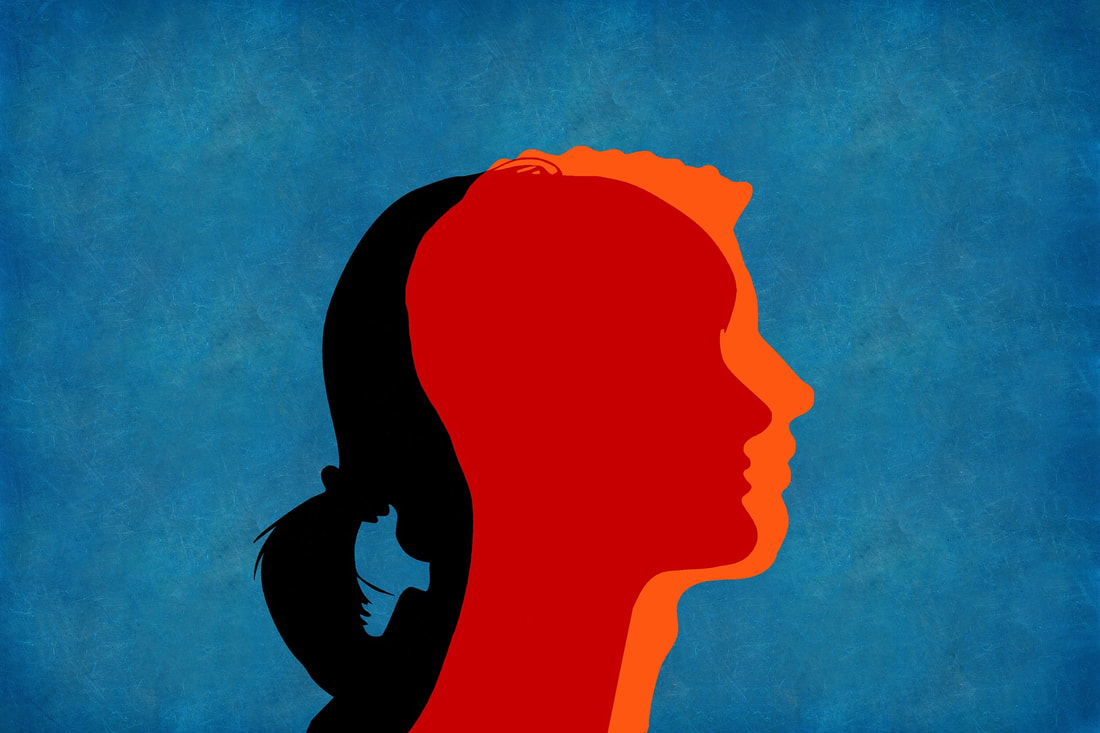
 Free stock photo from Pixabay.com. I’ve learnt to appreciate my body, because it’s taken me all the way here and will take me to the end. For a transgender man, the first day on testosterone is the first day of a new life.
Hormone replacement therapy (HRT) can make a huge difference in a trans person’s quality of life, but it also comes with some health risks. I want to point out first that testosterone alone would likely not cause conditions or diseases, but it can be a contributing factor, as it can be for an average person born in a male body. If you were born in a female body, it may be that no one ever advised you about these potential issues, thinking you would never have them. So I hope my article sheds light on these topics, not put you off taking testosterone. I’m not on HRT at the moment, but I plan to. In the UK, you have access to it for free through the National Health Service (NHS), but you have to be referred by a general practitioner (GP). Moreover, there are only a handful of gender clinics in the country and the wait lists are very long. As an alternative, you can get private treatment, but the cost can be crippling. I was referred to an NHS gender identity clinic in September 2018. The current wait for an appointment ranges from one to two years, so I have a long way to go, unless I can save up enough to fund private therapy. The benefit of waiting this long is that I’ve had time to conduct research on the topic of transgender health. I believe I owe it to my body to be as informed as I can about all the risks and, most importantly, all the ways to minimise them. What I found enforced my belief that a healthy lifestyle may be even more crucial if you decide to take hormones than if you don’t. In this article, I’m going to touch upon three of the most important aspects of healthy living for a transmasculine person.
2 Comments
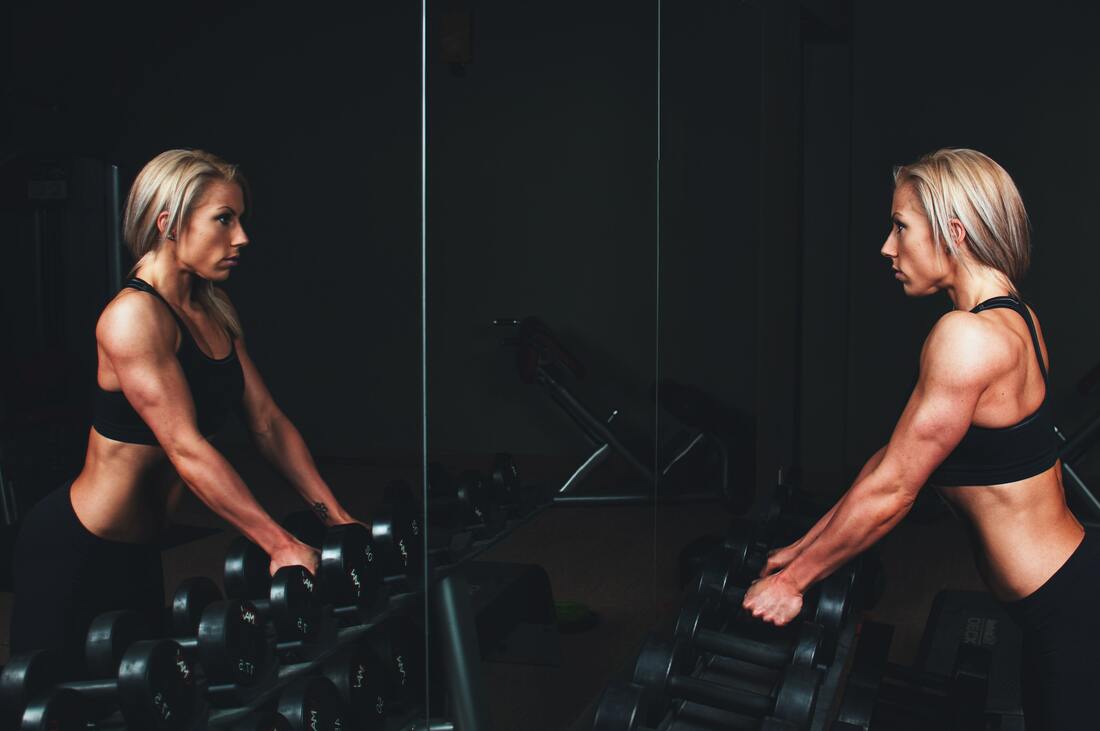 Free stock photo from Pexels.com. One important key to success is self-confidence. An important key to self-confidence is preparation. In the UK, research shows that 75% of females are keen on a more active lifestyle, but feel intimidated by the gym environment and limited by work and family commitments. For that reason, in 2015 Sport England launched a campaign called This Girl Can to empower females to exercise.
In 2017, a similar survey on 1,000 people in America suggested that almost 65% of females, compared to 36% of males, are too anxious or self-conscious to go to the gym. Most of the studies done on the transgender population in relation to fitness have focused on sport. Nevertheless, there is evidence that recreational exercisers experience discrimination and other negative experiences, too. That, along with the amount of articles on how to overcome dysphoria at the gym, proves how hard it can be for female-bodied individuals of any gender to engage in a more active lifestyle. So it’s important to find ways to increase our self-esteem and motivation. And what better way than knowledge? With resistance training, in particular, we have the potential to accomplish great things. Unfortunately, we often underestimate that potential. When confronted with some buff gym bro, we think, “Why should I bother?” For cis girls, the question stops there. For trans guys, it could become, “Why should I bother until I’m on testosterone?” This lack of belief in ourselves can be a hard or impossible obstacle to overcome. But what can this body do for us? What can we do for ourselves? A lot, it turns out. In this article, I’m going to give you three reasons why you should feel more confident in the gym.  Free stock photo from Pexels.com. Courage doesn’t always roar. Sometimes courage is the quiet voice at the end of the day saying, ‘I will try again tomorrow.’ Useful Links: Part 1
Myth #2 – Training legs and glutes will make them look more feminine Short answer: I think you already know where I’m going with this. 
Free stock photo from Pexels.com.
Some are born strong and others are made strong.
Useful Links: Part 2
If you’re pre-T and reading this article, chances are you want to build some muscle. That’s awesome! In my experience, the internet offers a lot of contradictory advice on training for anyone on the gender spectrum. That’s not awesome. Two of the questions I get most frequently from other trans guys relate to:
I’m going to cover a myth and a truth about both in two articles. It’s myth-busting time! Everything special about you came out of a bottle! 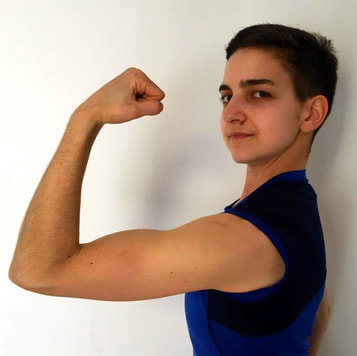 I came out to myself as transgender almost a year ago. I started having thoughts of the “Maybe this is the wrong body for me” kind when I was eleven, but I found excuses to dismiss them: “I’m not trans, I’m a butch lesbian”; “I’m not trans, I just like men’s clothes”; “I’m not trans, I just feel insecure because I don’t look like a man…”
Keeping the truth buried deep inside for over ten years felt like drowning. When I found the strength to accept who I am and breached the surface, I took in a huge breath of air to make up for the prolonged apnoea. I decided I wanted everything right away: I threw away my (few) female clothes and began using a new name, researching HRT and top surgery, and lifting weights (in a more serious and structured way than before). That was June 2018. Today, I choose to be a little more patient. I’m still not passing, still not on testosterone, still have gender dysphoria. So what’s changed? |
Nikias TomasielloWelcome to my blog. I’m an online fitness coach with a passion for bodybuilding, fantasy, and bread. Want to work with me? Check out my services!Archives
May 2024
Tags
All
|
 RSS Feed
Follow me on social media |
Get in touch |
© 2018-2023 Veronica Tomasiello, known as Nikias Tomasiello – All rights reserved