
 My doctor told me to stop having intimate dinners for four. Unless there are three other people. Do you struggle to keep on top of nutrition when you attend social events during a fat loss diet? Then this article is for you.
I’m going to cover two of my clients’ favourite go-to strategies, which also happen to be two of my personal favourites, when eating out without tracking calories. So far, they’ve been applied with great success to a range of different social events, including:
Here’s why these methods work, even without being meticulous about your calories:
Are you sold on the idea yet? Then let’s get into it.
0 Comments
 Free stock photo from Pexels.com. I have learned not to bother with no-carbohydrate diets or extreme nutritional strategies. It is much better to go for a balanced approach which you can make your long-term routine. If you’ve been dabbling in the fitness world in the last few years, you might have heard of macros. Short for “macronutrients”, this term refers to protein, carbohydrate, and dietary fat.
Tracking macros is a common approach to losing fat, gaining muscle, or simply maintaining weight. Some people track all three macros; others only track calories; and others still track a combination of both. All of these methods can be effective, so your choice will depend on your personal preferences and fitness goals. But how do macros work? What’s the difference between macro- and calorie-tracking? And how do you set your own macros to get the best results? Keep reading to learn the answers to these questions.  Free stock photo from Pexels.com. Diets, like clothes, should be tailored to you. How do you take a break from your diet without losing progress?
Why would you even want to, if you haven’t reached your fat loss goal yet? First of all, if you’re serious about dieting, it isn’t easy to do. Taking a one- or two-week break every six to 12 weeks of dieting, can give you some much needed respite to regain momentum and motivation to stick to the plan. (If you’re on a longer-term fat loss journey, lasting months or even years, you may want to consider maintenance phases in addition to diet breaks. Read this article to learn more.) Moreover, life happens. You may go on holiday, move house, change job, or experience other life-changing circumstances, during which trying to diet is only going to backfire. This is a great time for a diet break. Last but not least, you won’t be dieting forever (I hope). Once you reach your goals, you’ll need to maintain those results. This will be much easier to do if you practised maintenance in a previous diet break or two. In this article, I’ll break down what to do, so you can enjoy your diet break without losing progress, by answering the following questions:
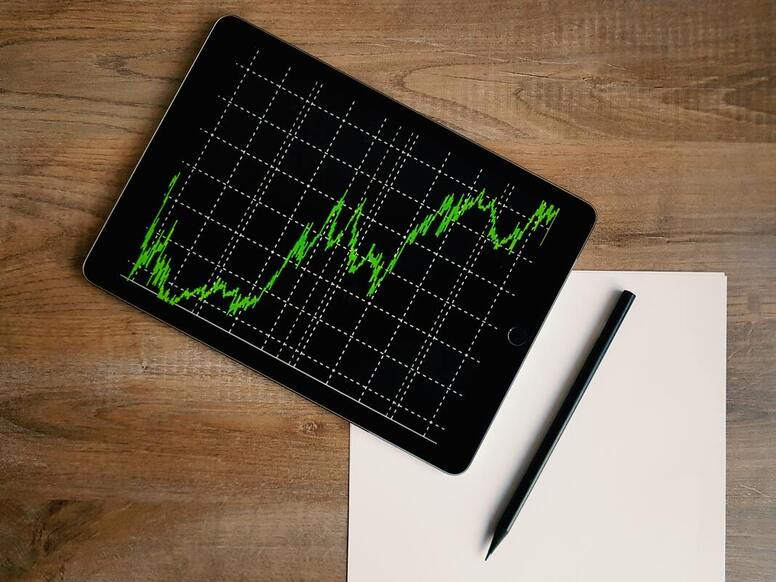 Free stock photo from Pexels.com. The goal is to turn data into information, and information into insight. In Part 1 of this article series, I explained:
In this second part, I’ll explain how to interpret and utilise your bodyweight data from the beginning to the end of a fat loss phase in order to diet and maintain the results successfully. As stated in the previous article, the only data that matters in the context of muscle gain and fat loss is your bodyweight average per week and/or per month, which is what I’ll be referring to in the rest of this blog post.  Free stock photo from Pexels.com. What’s wrong with extreme dieting and hard-core fitness plans is that they don’t take into account the rest of your life. 95% of diets fail, so diets don’t work.
… Or do they? If you take a look at the scientific literature, there’s actually plenty of evidence to the contrary. For example, we know that diets inducing a caloric deficit are effective for fat loss regardless of whether they’re high in fats, carbohydrates, or protein. In other words, any diet can work as long as it involves a caloric deficit. The real problem is maintaining the resulting weight loss. For instance, a review of nearly 30 long-term studies on weight loss and maintenance in the American population showed that more than half of the weight lost was regained within two years, and 80% was regained within five. For this reason, experts consider maintenance of 5 to 10% of your weight loss “a great achievement”. But why is it so hard not to put weight back on? When a new client signs up for online coaching to lose fat, what often stands out to me is their mindset: In their experience, a diet is a short-term, excruciating “eat chicken breast and a green leaf for every meal” endeavour, not an attempt to change their lifestyle for the better in the long run. After a few weeks or months of this torture, they go back to the same way they were eating before, regain weight, start another diet, and so on. This vicious cycle is unfortunately common because most diets give you rules to stick to, whether you like them or not, instead of habits that you can incorporate into your long-term lifestyle. This article is perfect if you haven’t had much luck maintaining fat loss after your previous diets, because it does exactly what those diets didn’t do: It teaches you five habits you need to have in place not only to lose fat, but to keep it off, too. If you’ve been spinning your wheels with countless diets for as long as you can remember, you don’t want to miss this one. |
Nikias TomasielloWelcome to my blog. I’m an online fitness coach with a passion for bodybuilding, fantasy, and bread. Want to work with me? Check out my services!Archives
March 2024
Tags
All
|
 RSS Feed
Follow me on social media |
Get in touch |
© 2018-2023 Veronica Tomasiello, known as Nikias Tomasiello – All rights reserved